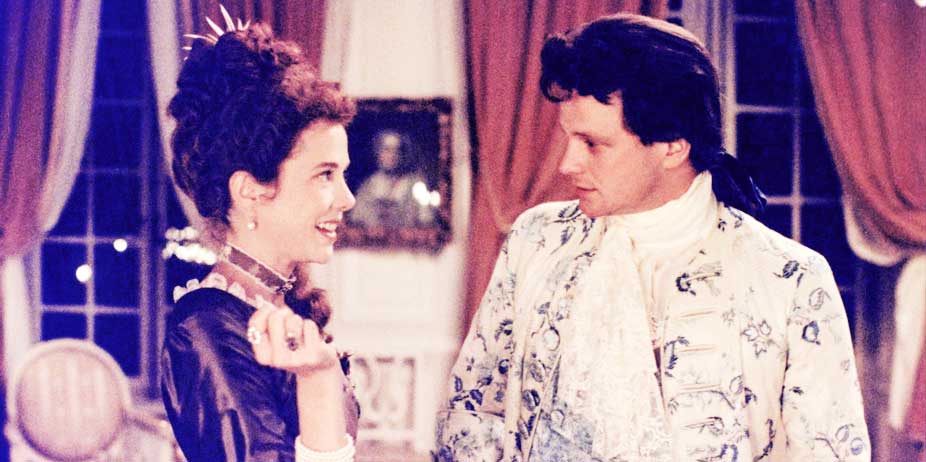
Valmont (1989)
There is no better exploration of evil than in the story Les Liaisons Dangereuses, by Choderlos de Laclos, which pairs up two selfish, bored aristocrats in a game to bring about the ruination and corruption of innocent third parties. Valmont was filmed around the same time as the better-known Dangerous Liaisons, but has more of a believable quality to the story.
Innocent Cecile (Fairuza Balk) is drawn from her studies in a French nunnery to return to the home of her mother, in preparation for her impending marriage. Fifteen years old and largely naive, Cecile lives only for the approval of her cousin, Merteuil (Annette Benning), whom her mother believes is a good influence in the young woman's life. Little does she know that Merteuil is a sexually adventurous manipulator who intends to lead her daughter astray. Agreeing to unearth Cecile's mysterious would-be-husband's identity, Merteuil is horrified to learn that it is none other than her own lover! Infuriated with his betrayal, she sets out to humiliate him by having Cecile corrupted before the wedding night. Approaching her former lover and notorious philanderer, Valmont (Colin Firth), she pleads for his assistance, but he is currently obsessed with stripping the virtue of another fair blossom.
The beautiful Tourvel is a religious woman and devoted to her absentee husband, but Valmont is determined to have her. He and Merteuil make a scandalous wager on whether or not he can succeed, and while he pursues the married woman with malicious intent, she takes matters into her own hands. Cecile has fallen in love with a charming young harp instructor, and Merteuil becomes a part of their love affair by arranging for them to meet in secret. The film and the novel on which it is based revolve completely around seduction and betrayal. There are interesting psychological aspects, as when we learn toward the end that Valmont only truly loves Merteuil, but for the most part it is a story without redeeming qualities, about sinful people who have no shame in their purposeful corruption of innocents. The lessons taught over the story's progression are vile and there is no redemption to look forward to at the end.
It is said within all forms of society that women marry for money and keep a lover for fun. Merteuil encourages Cecile to do the same, and it's implied at the end that this is what she does. No one ever disapproves of this except Tourvel, and even she in the end winds up in Valmont's bed. Two innocent children are corrupted through sexual experimentation. Marriages are ruined. Philandering is never frowned on. The costuming is absolutely beautiful and there is some wonderful acting from all involved, particularly Benning, who is so deliciously wicked that you cannot help loving and despising her at the same time. But the disturbing nature of the story and the sometimes gratuitous implications make it hard to recommend.
Sexual Content:
Sex plays an enormous role in the plot, surfacing in blunt conversations, occasional scenes, and various implications. Women argue over dinner on the merits of lovers. Valmont is shown sneaking into women's rooms. He takes advantage of Cecile while helping her write a love letter and it's implied they sleep together. (The preceding scene involves backside nudity.) Merteuil is shown semi-naked on several occasions, once in a partially sheer bathing gown and once curled up on a bed. After losing a bet, she spreads her legs in an invitation for the victor to take his spoils.